View all filters
Clear








După câteva luni
Translated from
Slovenian
to
Romanian
by Paula Braga Šimenc
Written in Slovenian by Andraž Rožman
17 minutes read
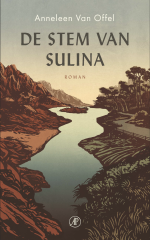
Sulinin glas
Translated from
Dutch
to
Slovenian
by Lucija Janc Novak
Written in Dutch by Anneleen Van Offel
6 minutes read
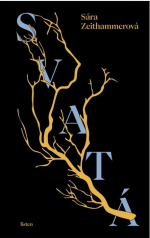
Svatá
Život ovdovělé hospodské Aloisie se obrátí vzhůru nohama ve chvíli, kdy se její dceři Kristě zjeví v lese Panna Maria. Třebaže ji krom Kristy nikdo neviděl, zpráva o zjevení se rychle rozkřikne, do zapomenutého kraje začnou proudit zástupy a zadlužená hospoda konečně prosperuje. Krista je stejnou měrou okolím adorována i nenáviděna. Sama Aloisie neví, na kterou stranu se přiklonit. Je její dcera lhářka, nebo vizionářka? A zjevuje se v lese skutečně Matka Boží, nebo něco mnohem děsivějšího? Příběh o lásce, víře a nekonečné vůli vychází ze skutečných událostí, které se odehrály v devatenáctém století na Broumovsku.
Written in Czech by Sára Zeithammerová
9 minutes read
El automóvil de la Antigua Grecia
Translated from
Czech
to
Spanish
by Daniel Ordóñez Franco
Written in Czech by Ondrej Macl
11 minutes read
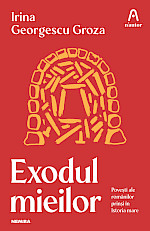
Exodul mieilor (The Exodus of The Lambs)
Ficțiunea istorică „Exodul mieilor” pornește de la urmările masacrului comis asupra unei comunități din vestul României, imediat după semnarea Dictatului de la Viena, în anul 1940. Începutul celui de-Al Doilea Război Mondial îi găsește pe Domnica și pe frații Romi și Miculuș la castelul familiei Teleki, acolo unde muncesc ca servitori. Imediat ce află că satul lor a fost atacat, ei pornesc la drum pentru a-și salva mama. Doar că singura cale de scăpare de trupele horthyste înarmate este rețeaua de tuneluri subterane săpate între cetățile Transilvaniei (la începutul cărții există o hartă a acestei rețele), în care refugiații români își caută familiile și calea spre libertate. În Subtărâm au loc confruntări de tot felul, pentru că nu toate galeriile au fost finalizate, proviziile din cămări lipsesc, iar o iscoadă trimisă de maghiari strecoară la interior un sac cu dinamită. În paralel cu drama refugiaților se împletește și povestea de dragoste dintre Romi și Domnica, care se rătăcesc unul de celălalt. Domnica rămâne ostatică într-un cătun locuit de un grup de spioni ruși, în timp ce Romi e urmărit de fiul contelui Teleki și de soldații acestuia.
„Exodul mieilor” nu este doar o poveste alertă despre drumuri și hotare, ci și genul de roman care deschide dialoguri pe teme precum exilul, memoria colectivă și drepturile femeilor, îndemnându-ne la final să ne întrebăm: ce preț suntem dispuși să plătim pentru libertate și ce moștenire alegem să lăsăm generațiilor viitoare?
Written in Romanian by Irina Georgescu Groza
11 minutes read
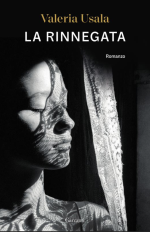
La rinnegata
A story of three generations of women, their courage and search for independence in the face of superstition and prejudice, in the spirit of Natalia Ginzburg and Elena Ferrante. In this striking debut, based on a true story, Valeria Usala bears witness to an age-old story of violence against women and takes us into the heart of rural Sardinia, where superstitions and cruelty coexist with the joys and companionship of a tight-knit community.
Teresa runs a shop and a tavern. But not even the family she has created with the man she loves can protect her from the malicious gossip of jealous locals, who are threatened by her independence. Her own mother, Maria, was made an outcast, and now Teresa is in turn forsaken by the villagers. Will she pay for her success with her life? Is she like a character in Greek tragedy, whose destiny is inevitable? A story that gives voice to the forgotten women of Sardinia—and to the one of women everywhere.
Written in Italian by Valeria Usala
10 minutes read
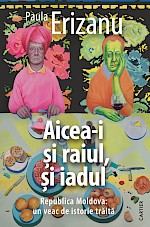
Hele, holky (It’s Both Heaven and Hell Here. Moldova: a Century of Lived History)
Translated from
Romanian
to
Czech
by Klára Našincová
Written in Romanian by Paula Erizanu
6 minutes read
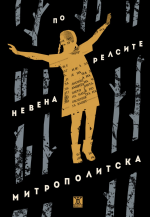
Na tirnicah
Translated from
Bulgarian
to
Slovenian
by Maja Kovač
Written in Bulgarian by Nevena Mitropolitska
10 minutes read
Op de sporen
Translated from
Bulgarian
to
Dutch
by Justin Van Heddegem
Written in Bulgarian by Nevena Mitropolitska
12 minutes read
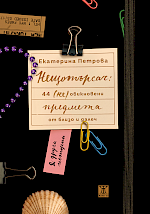
Poszukiwaczka rzeczy: 44 (nie)zwyczajnе przedmioty z bliska i z daleka
Tak jak sugeruje podtytuł, książka Poszukiwaczka rzeczy przedstawia historie 44 przedmiotów z bliska i z daleka. W środku znajdziemy zaskakujące, różnorodne i uporządkowane tematycznie znaleziska z całego świata: buty z Bhutanu, płytki chodnikowe z Barcelony według projektu Gaudiego, szklanki do wina z kraju Basków, broszkę w kształcie serca z Sarajewa, espadryle z Pirenejów, skarabeusze ze Starożytnego Egiptu, pudełko ze śmieciami z Nowego Jorku, kawałek pomarańczowego materiału „Dryfujących pomostów” z jeziora Iseo, słoweńskiego dzwoniącego smoka, mapę Wschodniego Berlina i wiele innych. Opowiadając historie konkretnych przedmiotów, Ekaterina Petrowa w rzeczywistości opowiada o miejscach, z których one pochodzą – o Küstendorfie i Katmandu, o Lublanie i Luizjanie, o Belwederze i Bilbao, o Selçuku i Central Parku – jednocześnie umieszcza je w szerszym językowym, kulturowym, historycznym, antropologicznym i geograficznym kontekście. Teksty są pomysłową mieszanką dzienników podróży, esejów i opowiadań, uważnie przeanalizowane i poprzetykane ciekawostkami, ale przełamane subiektywnym spojrzeniem autorki, jak i jej osobistą biografią podróżniczki, tłumaczki i poszukiwaczki rzeczy. Artystycznie skomponowana przez Ljubę Chalewą, jedną z najsłynniejszych bułgarskich ilustratorek, szata graficzna książki w cudowny i pełen poczucia humoru sposób oddaje ducha i nastrój historii. Dzięki temu sama książka również staje się pięknym i niosącym przyjemność przedmiotem – do czytania i powracania, do posiadania i obdarowywania.
Translated from
Bulgarian
to
Polish
by Zofia Kręc
Written in Bulgarian by Ekaterina Petrova
8 minutes read
Kilka miesięcy później
Translated from
Slovenian
to
Polish
by Joanna Borowy
Written in Slovenian by Andraž Rožman
8 minutes read
Гей, дівчата (It’s Both Heaven and Hell Here. Moldova: a Century of Lived History)
Translated from
Romanian
to
Ukranian
by Paulina-Ionela Onujec
Written in Romanian by Paula Erizanu
6 minutes read
Il tempo è un cerchio
Translated from
Romanian
to
Italian
by Maria Alampi
Written in Romanian by Andrei Crăciun
10 minutes read
Tijdmeters in de oudheid
Translated from
Italian
to
Dutch
by Lies Lavrijsen
Written in Italian by Fabio Guidetti
9 minutes read
Hlas Suliny
Translated from
Dutch
to
Czech
by Klára Němcová
Written in Dutch by Anneleen Van Offel
6 minutes read
Sulinin glas
Translated from
Dutch
to
Serbian
by Tamara Britka
Written in Dutch by Anneleen Van Offel
7 minutes read
Lotosové květy, které se zavírají (když se do nich vstoupí) (Cesta recepčního)
Translated from
Serbian
to
Czech
by Věra Böhmová
Written in Serbian by Nikola Lekić
6 minutes read
Сваштоловац: 44 (не)обична предмета из близине и даљине
Као што је истакнуто у њеном поднаслову, књига Сваштоловац садржи приче о 44 необична предмета из близине и даљине. Радознали и разнолик избор, тематски распоређен, обухвата изненађујућа открића из целог света: чизме из Бутана, плочице из Барселоне по дизајну Гаудија, чаше за вино из Баскије, брош у облику срца из Сарајева, еспадриле са Пиринеја, скарабеји из старог Египта, канту за отпатке из Њујорка, комад наранџасте тканине са „Плутајућих пристаништа“ у језеру Изео, словеначког змаја, мапу Источног Берлина и још много тога. Причајући приче о конкретним предметима, Екатерина Петрова заправо говори и о местима из којих потичу – Дрвенграду и Катмандуу, Љубљани и Луизијани, Белведеру и Билбау, Селчуку и Централ парку – а истовремено их ставља у шири лингвистички, културни, историјски, антрополошки или географски контекст. Инвентивна мешавина путописа, есеја и кратких прича, текстови су пажљиво истражени и зачињени занимљивим чињеницама, али преломљени кроз субјективни поглед ауторке, као и кроз њену личну биографију као путника, преводиоца и сваштоловца. Уметнички трансформисан естетским оком Љубе Халеве, једне од најистакнутијих савремених бугарских илустратора, изглед књиге на диван и духовит начин хвата дух и расположење прича. На тај начин сама књига постаје леп, пријатан и радостан предмет - за читање и анализирање, за поседовање и поклон.
Translated from
Bulgarian
to
Serbian
by Nikolina Đorđević
Written in Bulgarian by Ekaterina Petrova
8 minutes read
De verloochende
Translated from
Italian
to
Dutch
by Leine Meeus
Written in Italian by Valeria Usala
10 minutes read
De stem van Sulina
Een lyrische roman over de geboorte van een moeder, zwervende zielen en de ziel van het zwerven, geschreven met de stuwende kracht van een wereldrivier.
Terwijl een donkere schaduw over de weerkaarten van Midden-Europa glijdt, reist een vrouw in een busje langs de oevers van de Donau, van de bron in het Zwarte Woud tot de monding in de Zwarte Zee. Welke stemmen stijgen op uit de rivier?
Archeologische opgravingen en eeuwenoude verhalen, confronterende vragen en dromen, lichamelijke transformaties en vergeten vrouwen geven richting aan de mentale reis van een jonge schrijfster die moeder wordt.
Written in Dutch by Anneleen Van Offel
7 minutes read