View all filters
Clear









Da skratim priču
Ima dvadeset četiri godine, napola je Napuljac, napola Mađar, studirao je u Bolonji i želeo bi da bude režiser i još uvek pokušava da nađe svoj put: ovo je inicijalni foto-robot protagoniste knjige „Da skratim priču“, debitantskog romana Davida di Lorenca.
Zove se Davide, upravo kao i autor romana, i prvi put ga srećemo u Budimpešti, u gradu u kojem je rođena i odrasla njegova majka. Napustio je Italiju, prijatelje, porodicu i, uprkos tome što mu život u inostranstvu pruža obilje grotesknih avantura, njegova svakodnevica je dremljiva i nestalna.
Preseljenje u Berlin neće ništa promeniti, a stvari će krenuti da se razvijaju tek kada bude primljen u školu filma i preseli se u Rim.
Pinjeto, noći provedene u đuskanju (i posledična pustolovna vraćanja kući), umor i novi susreti doprineće novom Davideovom buđenju, rešenom da se uhvati u koštac sa jednom misterijom: besmisleno pojavljivanje, ali sve češće, razbijenog jajeta na stepeništu.
Davide di Lorenco uspeva da verno i ironično predstavi svakodnevni život momka na pragu odraslog doba, što u svojoj intimnoj i melahnoličnoj dimenziji, što u beskrajnim rimskim noćima, i zabavama punim alkohola širom Evrope. „Da skratim priču” je opušten i dirljiv roman, koji u potpunosti čuva haotičan ritam i svežinu dvadesetih godina.
Translated from
Italian
to
Serbian
by Ivana Lešević
Written in Italian by Davide Di Lorenzo
8 minutes read
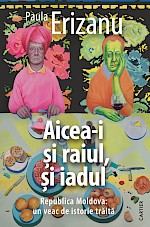
Hej, devojke (It’s Both Heaven and Hell Here. Moldova: a Century of Lived History)
Translated from
Romanian
to
Serbian
by Mirela Belada
Written in Romanian by Paula Erizanu
7 minutes read

24
Written in Serbian by Marija Pavlović
8 minutes read

Bogomoljka
Mia ima dvadeset sedam godina i svakoga dana mora da gleda ono najgore što svet nudi: radi kao moderator sadržaja i posao joj je da cenzuriše najnasilnije snimke koji kruže internetom. Od kada je njen bivši momak nastradao od strujnog udara u kadi, ona živi u nekoj vrsti začaranog kruga nihilizma i kajanja, obamrla od posla koji obavlja i psihoaktivnih lekova, a tek povremeno je prene prijateljstvo sa Denisom i Mirijam. Njena prošlost sa Rubenom je zbirka surovih uspomena, poput onih slika koje mora da uklanja sa društvenih mreža, ali ne može da ih obriše iz sopstvenog sećanja: njegove emotivne ucene, u kojima je optužuje da ga proždire kao bogomoljka, i njen strah da ga napusti. Međutim, kada naiđe na Sofijin video, devojke koja liči na nju, a koja se baca sa mosta, Mia uspeva da se trgne i kreće njenim tragom: upoznaje njenog dečka, Lapa, muzičara u usponu, i prijateljicu Margo, eskort-damu i igračicu u noćnom klubu; oboma dopušta da je zavedu u jednom vrtlogu odraza, sve dok Mia, sa Mirijam i Margo, ne odluči da sebi pruži alternativu, koja se ogleda u sestrinskom paktu van svih okvira, a koji će uspeti da razbije oklop njenog bola. „Bogomoljka” prati put jedne mlade žene koja prkosi gubitku i samoći, pobunivši se protiv iskonskog osećaja ženske krivice kako bi zakoračila napred, ka svetlosti svoje buduće verzije.
Translated from
Italian
to
Serbian
by Ivana Lešević
Written in Italian by Cecilia Rita
8 minutes read
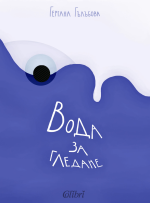
Сви лифтови воде до приземља (воду за посматрање)
Translated from
Bulgarian
to
Serbian
by Nikolina Đorđević
Written in Bulgarian by Gergana Galabova
8 minutes read
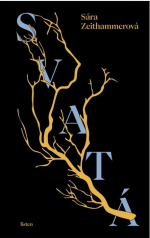
Svetica
Translated from
Czech
to
Serbian
by Jelena Đorđević
Written in Czech by Sára Zeithammerová
14 minutes read
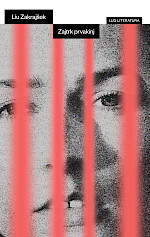
Doručak šampionki
Doručak šampionki je debitantski roman Liu Zakrajšek, u kojem s protagonistkinjom odlazimo na tri različita studentska radna mesta: bioskop, kulturni centar i knjižaru. Kada ne pohađa predavanja ili ne radi, provodi vreme u maloj i zagušljivoj tavanskoj sobici stana koji deli sa impulsivnom i haotičnom Vesnom i organizovanom i ozbiljnom Pijom. Njihova dinamika se manje-više dramatično gradi i urušava kroz poglavlja, a sve se to dešava u pozadini širih egzistencijalnih kriza koje doživljava mlađa generacija koja će tek ući na tržište rada – od nesigurnosti i preteranih cena nekretnina do sve ozbiljnije klasne segregacije, usamljenosti i lošeg mentalnog zdravlja. Mlade junakinje u romanu, koje bi trebalo da razmišljaju o svojim snovima i budućnosti, najviše se brinu oko toga kako da zarade za sledeću kiriju. Roman, koji je inspiraciju za naslov pozajmio od Kurta Vonegata, suptilna je satira modernog vremena koja nam je preko potrebna.
Translated from
Slovenian
to
Serbian
by Jelena Ivanišević
Written in Slovenian by Liu Zakrajšek
9 minutes read

Diário de uma Portuguesa em Angola
Translated from
Portugese
to
Serbian
by Tamina Šop
Written in Portugese by Patrícia Patriarca
7 minutes read
Evolucija umnjaka
Translated from
Dutch
to
Serbian
by Bojana Budimir
Written in Dutch by Alma Mathijsen
7 minutes read
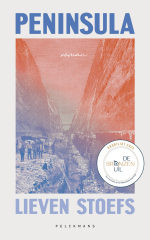
Коридор (Poluostrvo)
Translated from
Dutch
to
Serbian
by Tamara Britka
Written in Dutch by Lieven Stoefs
8 minutes read

Morana
Translated from
Czech
to
Serbian
by Uroš Nikolić
Written in Czech by Lucie Faulerová
8 minutes read
Pande parka Ueno
Translated from
Italian
to
Serbian
by Ana Popović
Written in Italian by Arianna Giorgia Bonazzi
12 minutes read

I onda opet, iz početka
Centralni lik novog romana Filipa Grujića je pravi „junak našeg doba“, mladić na prelasku iz dvadesetih (kada se sve prašta i ništa nije konačno) u tridesete (kada sve postaje obavezujuće i ozbiljno), upravo izašao iz duge veze s nejasnom idejom šta želi od života.
Njegova svakodnevica rastrzana između porodice (razvedeni otac i majka, njihovi novi partneri i vremešni, ali vrlo živopisni roditelji), prijatelja, devojaka i obaveza, komične epizode, snažan autoironijski ton i bolno iskrena promišljanja o tome šta uopšte znači biti srećan u trećoj deceniji XXI veka, sve su to delovi kompleksne ali majstorski složene literarne slagalice koju bez preterivanja možemo nazvati prvim pravim, ozbiljnim milenijalskim romanom u srpskoj književnosti.
Filip Grujić posle dva zapažena romana kojima je nagovestio veliki književni talenat ovim delom sazreva u jednog od najboljih pripovedača koje naša književnost ima, prestaje da bude samo njena svetla budućnost i postaje važna i nezaobilazna sadašnjost.
Written in Serbian by Filip Grujić
8 minutes read
U redu je
Translated from
Dutch
to
Serbian
by Aleksandar Đokanović
Written in Dutch by Aya Sabi
6 minutes read
Preparirano telo
Translated from
Dutch
to
Serbian
by Bojana Budimir
Written in Dutch by Nikki Dekker
7 minutes read
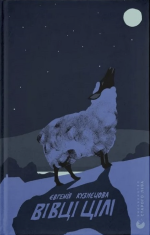
Ovce su na broju
Translated from
Ukrainian
to
Serbian
by Dragana Vasilijević-Valent
Written in Ukrainian by Eugenia Kuznetsova
5 minutes read
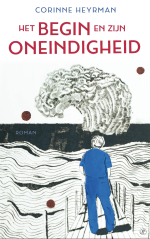
Het begin en zijn oneindigheid
Translated from
Dutch
to
Serbian
by Jana Živkić
Written in Dutch by Corinne Heyrman
9 minutes read
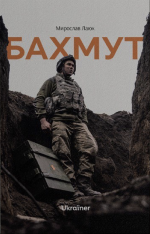
Bakhmut
Translated from
Ukrainian
to
Serbian
by Dragana Vasilijević-Valent
Written in Ukrainian by Myroslav Laiuk
10 minutes read
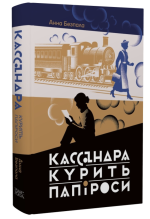
Kasandra puši cigare
Savremeni Kijev, vazdušna opasnost. Studentkinja Lesja se skriva u podrumu. Tamo nailazi na dnevnik studentkinje i medicinske sestre Natalje i počinje da ga čita.
Natalja opisuje prve nedelje ukrajinske nezavisnosti, dve nedelje uoči ulaska Crvene armije u Kijev. Priču započinje bekstvom svog pacijenta. Pacijent je bivši visoki carski činovnik sa jedinstvenim slučajem šizofrenije. Natalja se nada da će se proslaviti u psihijatriji zahvaljujući radu na njegovom slučaju. Da bi mogla da nastavi da radi sa pacijentom, mora da spreči njegova naredna bekstva. Zbog toga mora da preuzme na sebe spasavanje njegove porodice iz grada, jer je pacijent upravo zbog ovoga bežao.
Natalija je prinuđena da se osloni na svog novog poznanika Anatolja, ali i da stekne poverenje pacijentove starije ćerke Kasje (Kasandre), kako bi ispunila obećanje. Kasja je glava porodice i ima svoje probleme – priviđaju joj se jezive slike, koje se kasnije ostvaruju.
Nataljina potraga za kartama za odlazak se oteže zbog niza, na prvi pogled sasvim običnih, nesrećnih slučajeva. Uz to počinje i boljševički ustanak u gradu, u koji bivaju uvučeni njoj bliski ljudi. Natalja je rastrzana između obaveza prema pacijentu, patriotizma koji je zadržava uz ranjenike i nove ljubavi — oficira Vasilja.
Najzad, kroz razgovore sa pacijentovom porodicom, Natalji se slažu sve kockice u glavi: Anatolj nije onakva osoba kakvom se predstavljao, on ima neke neraščišćene račune sa pacijentovom porodicom. I niije pomagao Natalji, već je nastojao da spreči beg porodice.
Zahvaljujući vezama sa ukrajinskim vojnicima, Natalja ipak uspeva da evakuiše porodicu vojnim vozilom. Da li i ona odlazi ili ostaje je pitanje koje ostaje otvoreno i prepušteno tumačenju čitalaca. Kraj vazdušne opasnosti. Lesja otkriva otkud Nataljin dnevnik u njenom podrumu.
Tri epiloga: iz pera Anatolja, Vasilja i Natalijine poznanice. Tokom čitave knjige pojavljuju se i zapisi stilizovani kao Kasjine beleške, iz mističnog, vanvremenskog prostora.
Translated from
Ukrainian
to
Serbian
by Dragana Vasilijević-Valent
Written in Ukrainian by Anna Bezpala
11 minutes read

Kroćenje zmija u vrele večeri
Priča o mladoj ženi koja luta kroz nadrealnu Varšavu u pocepanoj venčanici. Umazana je zlatnom farbom, umesto torbice drži flašu vina, a u korsetu krije ukradeni predmet. Povratak kući otežavaju joj apokaliptična žega i oblak crnog dima koji se nadvija nad gradom.
Ljudi koje sreće usput iznenađuju čak i više od vremena u prestonici. Ambroži želi da stvori remek-delo, iako mu manjka talenta. Ramona se rukama klijentkinja bavi na kompleksan način: radi manikir i proriče sudbinu iz dlanova. Stefan tvrdi da je albino – ili je to barem jedan deo njegovog tela. Razgovori sa njima služe kao izgovor da ispriča nešto o sebi i sopstvenim iskustvima. Ili pre: o osobi u koju se trenutno uživljava, jer pravo ime junakinje do samog kraja ostaje tajna. Znamo samo njen pseudonim – pod imenom cam girl Vajolet Lav ona nastupa pred muškarcima koji joj plaćaju za ispunjavanje fantazija, i to ne samo seksualnih.
Translated from
Polish
to
Serbian
by Milica Kozić
Written in Polish by Małgorzata Żarów
9 minutes read