View all filters
Clear








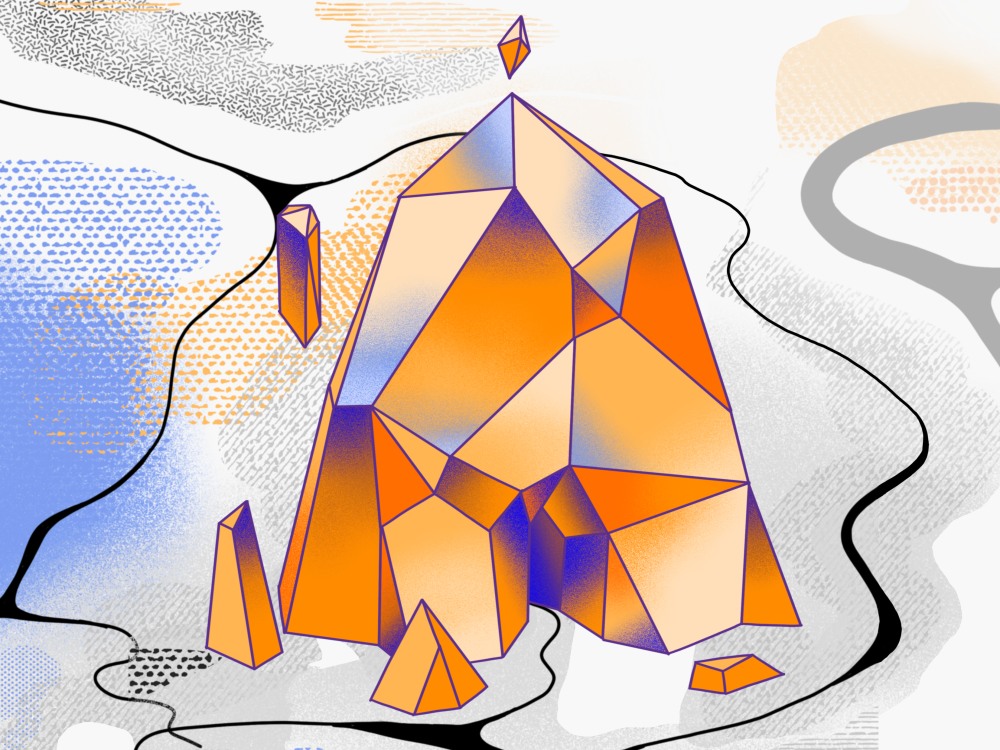
Time After Time
Explore or alter the physics, the histories and the inevitability of time
Meine Mutter hat Blumen gezüchtet (Pogoji niso pomembni)
Живи плетове
De Heggen
Nu-i nimeni care să semene cu tine (Oameni zburători)
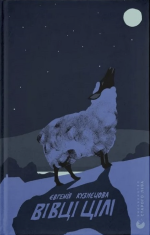
Вівці цілі
Навіть коли здається, що час застигає, а земля зупиняється, приходить зима. Сіріє небо, шелестять висохлі трави, мерехтять гірлянди під гул генераторів — більше для світла, ніж для свята. Люди живуть війну як уміють, роблять свій вибір, як можуть: відпустити чи хай там що, аби свої були цілі? Чи стане серця для любові у темну добу? У засніжених очеретах Дніпра, на спустілих вулицях, що стікаються з пагорбів до траси, у темних хатах, де поріг обсипають маком від нечисті, а душі померлих приходять за Різдвяні столи, Яна переступає через дірку в паркані і вплутується у дилеми, де немає ані правильних запитань, ані відповідей, але є Максим, непевність, любов і вівці.
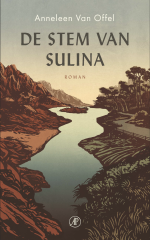
De stem van Sulina
Een lyrische roman over de geboorte van een moeder, zwervende zielen en de ziel van het zwerven, geschreven met de stuwende kracht van een wereldrivier.
Terwijl een donkere schaduw over de weerkaarten van Midden-Europa glijdt, reist een vrouw in een busje langs de oevers van de Donau, van de bron in het Zwarte Woud tot de monding in de Zwarte Zee. Welke stemmen stijgen op uit de rivier?
Archeologische opgravingen en eeuwenoude verhalen, confronterende vragen en dromen, lichamelijke transformaties en vergeten vrouwen geven richting aan de mentale reis van een jonge schrijfster die moeder wordt.
Вівці цілі
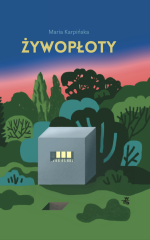
Żywopłoty (The Hedges)
“Debiut Karpińskiej to opowiadania pisane Gombrowiczem, ale fajniejsze, bo o ludziach z naszych ulic” Olga Hund
Opis okładkowy:
Żywopłoty to historia człowieka, którego tożsamość zbudowana jest na narracji – istnieje tylko wtedy, gdy opowiada, dlatego jego dzieje rozpisane są niczym dzieje świata, który on szczelnie wypełnia.
Żywopłoty – z ich odrealnieniem, a jednocześnie koncentrancją na zwykłych, prostych codziennych sprawach – układają się w rodzaj baśni. To baśń o tym, co w życiu najważniejsze.
Poszczególne mikrohistorie można poznawać osobno i przy każdej na nowo odkrywać perspektywy i wymiary człowieczeństwa. Czyta się je – jak utwory najlepszych autorów czeskich, takich jak Pavel czy Hrabal – jak rzecz niewymuszoną, trochę spoza literackiego świata, nieosadzoną w konkretnej rzeczywistości i czasie.
Цветове на лотос, които се затварят (когато влезеш в тях) (Пътят на перцепциониста)
Le siepi
Meine Mutter hat Blumen gezüchtet
Žive ograde
Los setos
Овцете са цели
Flori de lotus care se închid (când intri în ele) (Drumul celui care percepe)
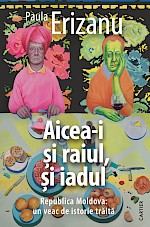
Uy, nenas (It’s Both Heaven and Hell Here. Moldova: a Century of Lived History)
Ovce jsou celé
Krimski roman
Bajo el cielo de Crimea