View all filters
Clear








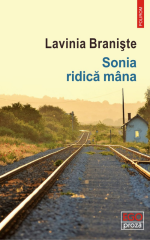
Domani
Translated from
Romanian
to
Italian
by Andreaa David
Written in Romanian by Lavinia Braniște
6 minutes read

Cazul BB / E viaţa ei / Nu în seara asta (Il caso BB, La vita è sua, Non stasera)
Romanzo in stile poliziesco, La vita è mia descrive le relazioni fra tre donne di diversa provenienza sociale: Angela Pop, gallerista (e neomamma), Greta Roth, poliziotta della squadra omicidi, e Carla Razia, sex worker. Angela, che soffre di depressione post parto, patisce fortemente il bisogno di controllo, bisogno che infine prende forma nell’installazione che la protagonista chiama La vita è mia, dedicata a sua figlia Eliza e a sua sorella Raisa. Carla, incontrata casualmente durante uno dei suoi giri in città, entra a far parte del suo progetto, così come un ex compagno di università, il giornalista Lazăr Mitrea. Carla però, per un breve periodo, è anche l’amante di Greta, la poliziotta che segue l’indagine sulla morte sospetta di Angela Pop.
Diverse linee narrative si tessono attorno al dilemma: la morte di Angela è un omicidio o un suicidio? Se si tratta di un crimine, chi è il colpevole? Ci sono più complici? Tutti i congiunti della “vittima” diventano dei sospetti. Il sospetto e la tensione, sia quella narrativa che quella tra i personaggi, si mantengono fino alla fine, quando scopriamo che Angela Pop aveva architettato tutto e tutte le relazioni personali allo scopo di raggiungere il suo obiettivo: un’installazione-manifesto. Il desiderio di suicidio e i segnali del degrado psichico della protagonista sono sparsi in tutto il romanzo, ma non portano direttamente alla conclusione che si sia trattato di una sua scelta. Anche il dilemma crimine-suicidio resta inalterato fino alla fine del romanzo. La vita è mia decostruisce gli stereotipi e i pregiudizi sulla famiglia, sul genere, sulla sessualità e sulla malattia mentale. Il romanzo si chiude,
infine, con un manifesto che invita alla riflessione, all’accettazione, alla comprensione e all’empatia.
Translated from
Romanian
to
Italian
by Barbara Pavetto
Written in Romanian by Emilia Faur
8 minutes read
Esmeralda
Translated from
Portugese
to
Italian
by Elisa Rossi
Written in Portugese by Luis Brito
7 minutes read
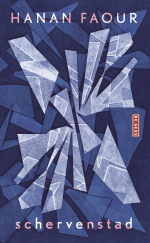
la città in frantumi
Translated from
Dutch
to
Italian
by Jessica Rostro Benigno
Written in Dutch by Hanan Faour
8 minutes read
Va bene così
Translated from
Dutch
to
Italian
by Francesco Panzeri
Written in Dutch by Aya Sabi
7 minutes read
Calcare
Translated from
Dutch
to
Italian
by Olga Amagliani
Written in Dutch by Lisa Weeda
8 minutes read
Qualche minuto alla deriva
Translated from
Romanian
to
Italian
by Andreaa David
Written in Romanian by Cristina Vremes
8 minutes read
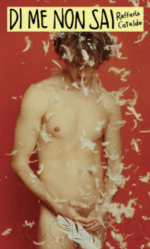
Di me non sai
Lucio falls in love with "the boy" even before meeting him: just watching him from the window of his office is enough for him to become almost obsessed. When they finally meet, he discovers that Davide is much younger than him (still studying), and that he is elusive, unreliable, and "cruel" in the way only twenty-year-olds can be cruel.
For two months, Lucio and Davide have dinner together, have sex, go to the beach, and often sleep at Lucio's place. However, Davide does not fall in love. He continues to seek Lorenzo, the only man he (perhaps) truly loved, of whom he keeps only a pixelated photo on an old cellphone. Like many twenty-year-olds, he is also confused, wounded, and willing to nestle into the routine of always having a Coca-Cola ready for him in the refrigerator.
"Di me non sai" tells the story of a relationship lived in an opposite, incompatible way, whose nature is revealed to the reader only as the novel progresses. Alternating the perspectives of the two protagonists in short, sometimes very short chapters, Raffaele Cataldo shows the misalignment of feelings and the painful consequences it can have, the slow pace of hot Apulian summers, and the obsessive loves (present and absent) that, like wild oat seeds, cling to hair, shoes, and clothes.
Written in Italian by Raffaele Cataldo
4 minutes read
Un angelo
Translated from
Romanian
to
Italian
by Maria Alampi
Written in Romanian by Anna Kalimar
10 minutes read
Fili
Translated from
Dutch
to
Italian
by Francesco Panzeri
Written in Dutch by Hannah Roels
8 minutes read
Tutti gli uomini diventano fratelli
Translated from
Dutch
to
Italian
by Francesco Panzeri
Written in Dutch by Yelena Schmitz
8 minutes read
Domani
Translated from
Portugese
to
Italian
by Elisa Rossi
Written in Portugese by Patrícia Patriarca
8 minutes read

Brooklyn-Barakaldo
Tacere e diventare complice? Oppure rivolgersi alla giustizia e temere la vendetta?
Mateo torna nella casa di famiglia a Madrid dopo essere stato licenziato dallo studio di architettura in cui lavorava a Barcellona. Quando per caso trova una pistola tra gli effetti personali di Juan, suo padre, sospetta che lui fosse coinvolto in un attentato dell’ETA avvenuto vent’anni prima nel quartiere. Parallelamente, il lettore conoscerà la storia di Malen, che nel 2000 pianificò nello stesso quartiere di Juan e Mateo l’omicidio di un giudice la cui esecuzione portò a un esito inaspettato. L’indagine di Mateo per cercare la verità lo porterà a svelare segreti nascosti che potrebbero minare irrimediabilmente le fondamenta della sua vita e delle persone che ama.
Prendendo spunto da un attentato realmente avvenuto venticinque anni fa a Madrid, nel suo primo ed emozionante romanzo Antonio Lleras riflette sulla redenzione e sulla possibilità di cambiare vita. E su come, decenni dopo la fine dell'ETA, vittime e carnefici cerchino di ricostruire le loro vite dopo un passato comune fatto di violenza e vendetta.
Translated from
Spanish
to
Italian
by Martino Gandi
Written in Spanish by Antonio Lleras
9 minutes read
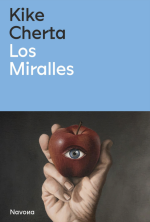
I Miralles
Translated from
Spanish
to
Italian
by Martino Gandi
Written in Spanish by Kike Cherta
9 minutes read
Bintje
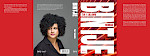
Palazzoni di città di provincia, anni Novanta. Bintje cresce in una famiglia lacerata. Suo padre congolese è un fanatico religioso, uno scrittore finito ai margini che non riesce a trovare lavoro e durante il giorno lavora alle sue memorie. Più si disillude, più si rifugia
nell’alcol e più diventa aggressivo in casa. Nonostante tutto, Bintje adora suo padre e cerca di riportarlo sulla retta via. Ma quando diventa chiaro che non può essere salvato, interrompe ogni contatto.
Trent’anni dopo, Bintje si ritrova nella stessa situazione. Separata e lontana da suo figlio, vive ancora negli stessi palazzi, ormai degradati, e lotta con le proprie dipendenze. Il suo lavoro di insegnante le offre un appiglio, finché anche a scuola non perde il controllo ed è costretta ad affrontare i traumi della sua infanzia.
Translated from
Dutch
to
Italian
by Matilde Soliani
Written in Dutch by Tuly Salumu
9 minutes read
Comunione
Translated from
Spanish
to
Italian
by Valeria Parlato
Written in Spanish by Roberto Osa
7 minutes read
Bachmut
Translated from
Ukrainian
to
Italian
by Claudia Bettiol
Written in Ukrainian by Myroslav Laiuk
13 minutes read
Pennarello
Translated from
Serbian
to
Italian
by Sara Latorre
Written in Serbian by Jasna Dimitrijević
7 minutes read
Una città sconosciuta
Translated from
Czech
to
Italian
by Elena Zuccolo
Written in Czech by Anna Háblová
12 minutes read
La trilogia del sesso errante
Translated from
Romanian
to
Italian
by Andreaa David
Written in Romanian by Cristina Vremes
9 minutes read